
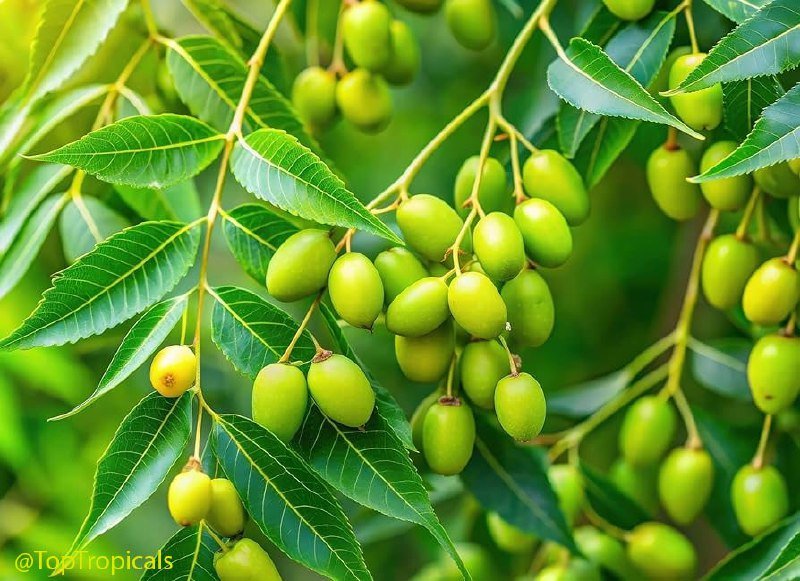

NEEM
The “Cultural & Spiritual” significance-
Neem is far more than just a plant; it is a cultural cornerstone mentioned in ancient Ayurvedic texts as far back as 1500 BCE. Its Sanskrit name, ‘nimba’, literally translates to its ability to bestow health.
In India, the tree is woven into the fabric of daily life and spirituality. During Hindu New Year celebrations, a mixture of bitter neem leaves and sweet jaggery is consumed to symbolize the bittersweet nature of life. It also plays a protective role in the Mariamman temple festivals of Tamil Nadu.
As A Natural First Aid-Kit
Often referred to as “the village pharmacy,” the neem tree is a powerhouse of natural medicine. Every part of the tree—from the bark and wood to the sap, flowers, leaves and fruits—serves a medicinal purpose. It is a vital ingredient in Ayurvedic polyherbal preparations and is a staple for Siddha, Unani-Tibb, and Homeopathy practitioners alike.
For centuries, it has been the go-to topical treatment for everything from the common—like acne and scaly scalp—to the more persistent, such as eczema and psoriasis. Its potent antimicrobial properties make it a traditional choice for managing infectious conditions like impetigo and scabies, and even soothing the discomfort of chicken pox and measles. In remote areas, it has even served as a vital topical application for snake and scorpion bites. Whether it’s drinking neem water for clear skin diseases or giving neem oil as a traditional preventative measure, this tree remains one of nature’s most versatile healers.
Nature’s Cooling Touch: Using Neem for Skin Inflammation and Infections
When it comes to calming irritated skin, we refer natural remedies for skin inflammation including Neem. Understanding the science behind neem is your first step toward a clearer, calmer complexion.
>> How Neem Reduces Inflammation and redness:- ‘Ayurvedic benefits of neem for skin’
Skin redness is often a cry for help caused by environmental stressors, infections, or conditions like eczema and rosacea. Neem leaves contain two “secret weapons” that address these issues at the source:
- Nimbidin & Quercetin: These potent anti-inflammatory compounds help dampen the skin’s inflammatory response, significantly reducing swelling and heat.
- Accelerated Healing: Beyond just soothing, these compounds speed up the skin’s repair process, making it highly effective for damaged or inflamed tissue.
By incorporating neem into your routine, you aren’t just masking redness—you can clearly answers yes to the generally asked questions like- Is neem good for eczema and psoriasis?
>> A Dual-Action Hero: Fighting Infections
Neem doesn’t stop at soothing; it also protects. One of its greatest strengths is its ability to treat skin infections and bacterial growth simultaneously.
- Antibacterial Power: Neem targets harmful bacteria that cause conditions like acne and impetigo.
- Antifungal Strength: It is a formidable opponent against fungal infections, keeping the skin balanced and healthy.
- Preventative Care: By killing off pathogens while calming the skin, neem prevents the “secondary infections” that often occur when irritated skin is broken or scratched.
>> Neem face mask for redness and inflammation
Ready to experience the relief? This simple, two-ingredient mask combines the cooling power of Aloe Vera with the medicinal strength of Neem for instant results.
Ingredients:
- Easily available LEvee Neem face pack or Fresh Neem Leaves
- LEvee Aloe Vera Gel (if not available you can take freshly scooped)
Instructions:
- Prep: take one spoonful of the LEvee neem Facepack or Grind the fresh neem leaves into a fine, smooth paste.
- Blend: Fold in a generous tablespoon of aloe vera gel.
- Apply: Smooth the mixture over your face, focusing on areas with visible redness or active inflammation.
- Rest: Leave the mask on for 15-20 minutes.
- Rinse: Use cool water to rinse, patting your skin dry gently with a soft towel.
*Pro-Tip: Use this mask 2–3 times a week to maintain a balanced, bacteria-free glow and keep redness at bay.
Fading Dark Spots: The Power of Neem for Pigmentation
If you’re struggling with uneven skin tone, acne scars, or sun damage, you’ve likely encountered the term hyperpigmentation. While many chemical treatments can be harsh on sensitive skin, Neem powder for skin brightening offers a natural, effective alternative to restore your skin’s radiance.
>>How Neem Removes Pigmentation Naturally
Dark spots occur when your skin produces excess melanin, often triggered by inflammation or UV exposure. Neem works at a biological level to interrupt this process:
- Inhibiting Tyrosinase: Neem contains bioactive compounds like nimbin and nimbidin. These help control tyrosinase, the enzyme responsible for melanin production.
- Antioxidant Shield: Rich in antioxidants, neem protects your skin from oxidative stress caused by pollution and the sun that make pigmentation worse.
- Preventing “Post-Acne” Marks: Since neem is antibacterial, it stops acne before it starts. This means fewer breakouts and, consequently, fewer post-inflammatory scars.
>>Brighten & Even Out Your Skin Tone
Neem doesn’t just treat spots; it improves your overall complexion through natural exfoliation. Unlike physical scrubs, neem gently detoxifies and removes dead skin cells. This allows fresh, healthy skin to surface faster. Furthermore, neem is known to boost collagen production, which aids in skin regeneration.
The Gentle Shield: Neem Oil for Sensitive and Dry Skin
If you have sensitive skin, you know the struggle: pollution, harsh weather, and even common allergens can trigger a cycle of redness and discomfort. The secret to soothing sensitive skin may lie in a natural ancient remedy. Neem oil is emerging as a top hypoallergenic choice for those who need deep relief without the risk of chemical flare-ups.
Protection Against Environmental Damage
1. The Antioxidant Powerhouse
Neem is packed with carotenoids and Vitamin E. These antioxidants act like a “cleanup crew” for free radicals—those unstable molecules caused by UV exposure and pollution that lead to premature aging, fine lines, and dullness.
2. Strengthening the Barrier
Regular use creates a strengthened natural barrier, keeping harmful toxins out and essential moisture in. This dual-action approach ensures your complexion stays youthful, hydrated, and resilient.
The Antimicrobial Power of Neem: Fighting Bacterial and Fungal Infections
When it comes to biological warfare against skin pathogens, Neem is nature’s most effective soldier. For centuries, traditional medicine has relied on this tree to clear infections that modern synthetic treatments often struggle to manage.
If you are dealing with persistent breakouts or stubborn rashes, understanding neem for skin infections and bacterial treatment could be the breakthrough your skin needs.
1. The Bacterial Assassin: Say Goodbye to Acne & Boils
Bacterial infections often start small—as a clogged pore or a minor scratch—but can quickly escalate into painful inflammation.
- Targeted Destruction: Neem doesn’t just “clean” the skin; it actively eliminates the bacteria responsible for acne, boils, and pustules.
- Acne Specialist: For those struggling with chronic acne, neem is a double-threat. It kills the bacteria before they can proliferate and simultaneously soothes the resulting cysts and pimples to prevent scarring.
- Long-Term Defense: By keeping the skin surface clear of bacterial build-up, regular use of neem helps prevent future breakouts from forming in the first place.
2. The Fungal Fighter: Relief for Ringworm & Athlete’s Foot
Fungal infections are notoriously difficult to treat because fungi are resilient.However, neem contains unique compounds specifically designed to inhibit fungal growth.
Neem is highly effective against:
- Ringworm & Athlete’s Foot: It breaks down the fungal cell walls, eradicating the infection at the source.
- Fungal Acne: Often mistaken for regular acne, fungal acne (folliculitis) requires the specific antimicrobial approach that only neem provides.
- The Protective Shield: Beyond killing the fungi, neem creates a protective “bio-barrier” on the skin, making it much harder for the infection to return.
💡 How to Apply Neem for Infections
To get the most out of neem’s antimicrobial properties, try these application methods:
| Condition | Recommended Application |
| Active Acne/Boils | Spot-treat with a thick paste of neem powder and a drop of tea tree oil. |
| Fungal Rashes | Infuse neem leaves in warm bath water or apply neem oil diluted in coconut oil. |
| Daily Protection | Use a neem-based cleanser or toner to keep bacterial levels balanced. |
NEEM: POWERHOUSE OF SKIN HEALTH
At the end of the day, nature often provides the most potent solutions for our skin’s biggest challenges” thanks to its antibacterial, anti-inflammatory, and antioxidant properties. Whether you’re battling a stubborn breakout or looking for a way to soothe dry, irritated patches, neem is a versatile ‘pharmacy in a tree’ that deserves a spot in your routine without the harsh chemicals. While it may not have the most pleasant scent, its results speak for themselves. Remember to always patch test before applying neem products or powder to your face, and start slow to see how your skin reacts. It’s more than just a trend; it’s a time-tested remedy that helps you achieve a healthy glowy, clearer, calmer skin.”